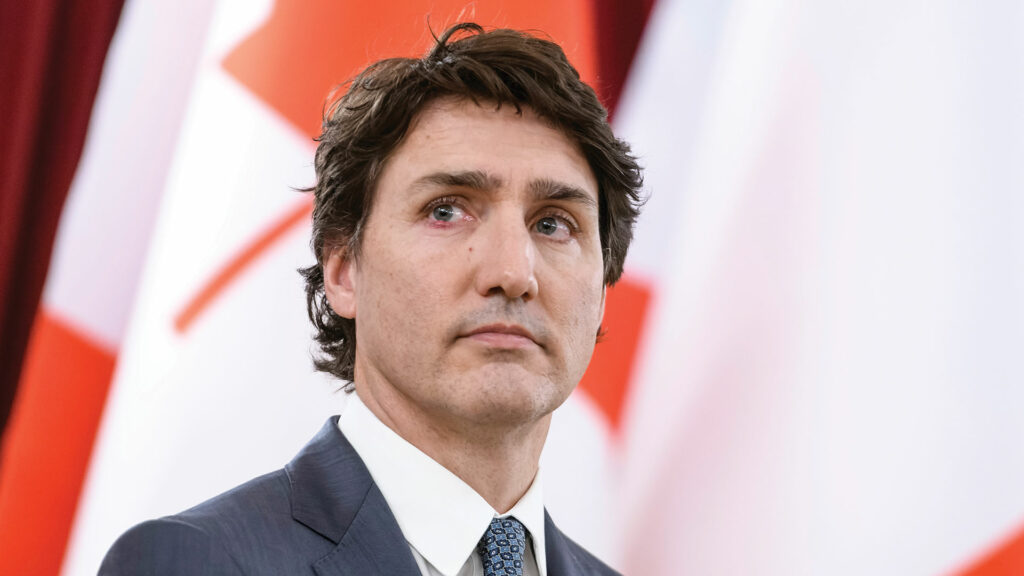
With the Justin Trudeau era (almost) over, it’s time to assess his record. In a January 9 article posted to The Hub, Lakehead University’s Professor of Economics Livio Di Matteo compared current Canadian economic conditions with 2015, when Trudeau was elected as Prime Minister with a majority government. Di Matteo’s conclusion? The Canadian economy is in much worse shape now than a decade ago, especially in six key areas: GDP, job growth, interest and inflation rates, and the federal deficit and debt.
Canadian Gross Domestic Product (GDP) per person grew more slowly than other capitalist countries. For comparison purposes the figures that follow are in US dollars. In 2015, Canadians produced about $43,600 per person, compared to $57,000 for the Americans. We were producing approximately 76% of what they were producing, by this economic measure. As of 2023, the World Bank Group has Canada at just above $53,400, or almost $10,000 more than eight years ago. But over those same eight years the US per person GDP has grown to $82,800, an increase for them of about $25,000. So instead of producing 76% of what Americans do, we’re now at about 65% of our largest trading partner’s productivity.
On the jobs front, an almost identical percentage of Canadians were unemployed in 2015 and as of November 2024 – just under 7%. However, this statistic conceals that a larger slice of the population is working in the public sector than ever before: 21.1% as of 2023, versus 19.7% in 2015.
Interest rates in Canada have increased from very low in 2015, when the Bank of Canada rate hovered just below 1%, to around 3.5% at the end of 2024. Higher interest rates contribute to slow business growth, and an increased cost of living especially for people looking to buy a home. Inflation rates have recently eased from a high of nearly 7% in 2022, to just under 2% in 2024. However, Di Matteo points out that “from 2015 to 2024, the All-Items Consumer Price Index grew by 26 percent.” This Index is another inflation measure based on the rising cost month by month, year by year, of a basket of goods and services. That 26 percent is a far cry from the slow growth of the economy overall.
According to the Trudeau government’s own account, they spent $63.1 billion more than they collected in revenue in the fiscal year ending March 31 of 2024. As Professor Di Matteo shares, “over the terms of the Trudeau government, the net federal debt has nearly doubled rising from $701 billion to $1.35 trillion.” Di Matteo reminds readers that when you borrow, you must also repay: the cost of servicing Canada’s national debt is increasing at an alarming rate.
“Debt charges are expected to reach $53.7 billion in 2024-2025, or about 10 per cent of federal spending.”
Solomon alerts us in Proverbs 14:23 that “in all toil there is profit, but mere talk tends only to poverty.” We pray that future Canadian leaders will be better stewards of the great resources that God has given us.
Picture credit: paparazzza / Shutterstock.com