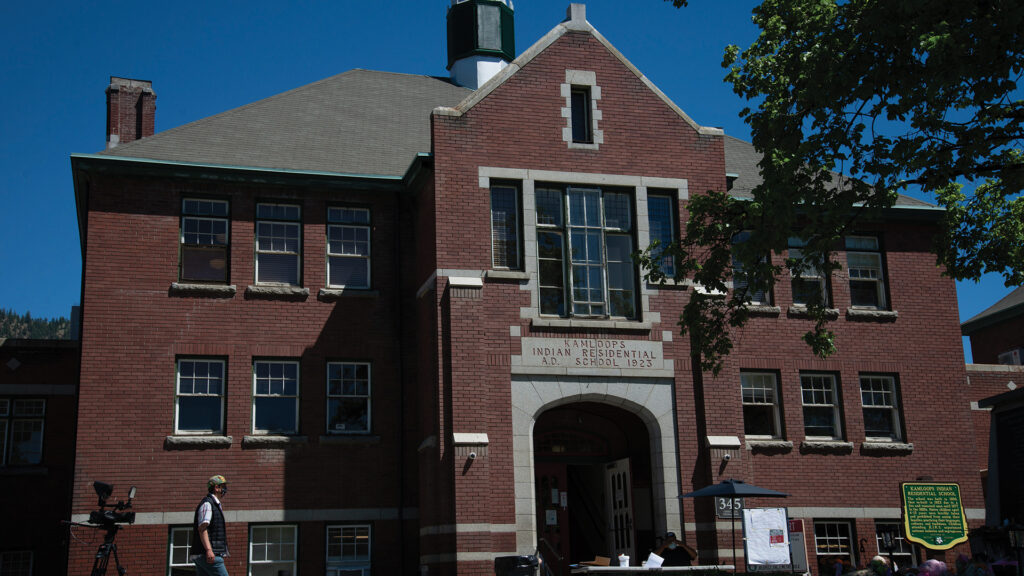
Allegations of “mass graves” of indigenous children at residential schools in Canada was one of the top news stories of 2021, making ripples around the world. Those same allegations have inspired annual “every child matters” community events. They may also have triggered the vandalism of over 100 churches since.
In response, the federal government established the National Advisory Committee on Residential Schools, Missing Children and Unmarked Burials to investigate the allegations. Three years, and 216.5 million dollars later, the committee has quietly been disbanded.
The CBC’s coverage of the decision provided extensive criticism of the decision but failed to mention that not a single grave has been verified in the years since the “discoveries.”
To add to this, reputable reports have been published which question the “findings” that sparked the allegations of mass graves. But due to the political narrative that has evolved, seeking the truth could have you labelled a “residential school denier.” A private member’s bill was even introduced in Parliament last year that would have made it an offence to “downplay” the harms caused by residential schools.
There is no doubt that inexcusable harms were done at residential schools. Scripture speaks strongly in defence of the vulnerable. The young boys and girls at residential schools, separated from their parents, and under intense pressure to abandon their culture, definitely qualify as vulnerable. And Christians of all kinds now publicly recognize that it was wrong, even wicked, for the government to forcibly separate children from their parents.
But the fact that evil was committed at these schools does not mean that the only appropriate response to new allegations can ever be an assumption of further guilt and evil at these institutions. Justice can only be achieved when built on truth. When truth is verified, trust is built, and then a foundation exists for genuine justice and reconciliation.