Sometimes, dead white guys make the perfect walking companions. Want to know who my personal dead white guy is?
Charles Spurgeon. If I’m in a rut, I’ll go and take a walk with him. It’s very therapeutic. And practically not weird at all.
I’m writing here as a teenage girl who has struggled with a lot of depression, and I’m hoping I can offer parents reading this some food for thought for their own teenage daughters. I’m sure you’re watching your daughters as they curl up and cry, or just sit in their rooms doing nothing, or even scroll on their phones to numb the pain, and you feel helpless. What can you do? What should you do?
Have them read Spurgeon. Don’t be afraid to corner them and offer them a stack of books by Charles Spurgeon to read, no matter how much they protest, because whether they acknowledge it or not, it’s what they need.
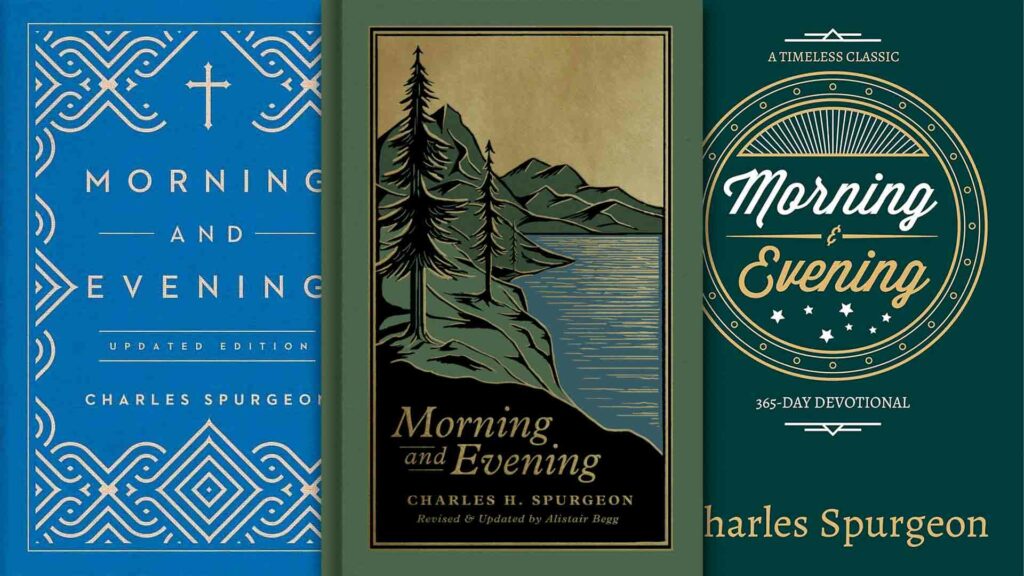
I was introduced to Spurgeon through my mother. During specific seasons in my early teens, I would wake up each morning very depressed, and there was not a day that passed that didn’t have me in tears, or giving up in despair. My mother started reading me quotes from Spurgeon’s daily devotional, Morning and Evening. She kept egging me on to read them myself (ornery, brilliant creatures, mothers…), but I stubbornly refused. Stop telling me what to do! I wanted her to fix me with a snap of her fingers, so I could be my normal happy, contented self, but sadly, it doesn’t work that way – a hard lesson God had in store for me.
I eventually came to the conclusion that my face was going to end up severely disfigured from all the crying I was doing, and at the point that I had to wring out my pillow a couple times before going to bed, I decided I should maybe take Mom’s advice and start reading Spurgeon’s works. I knew that he struggled with depression his entire preaching career, and I had heard good reports on his works, but the last thing I wanted was to be severely preached at.
Boy, was I wrong. He was exactly what I needed.
Unlike what I was expecting (a mean pastor shaking his finger at my weakness), Spurgeon, through his writings, seemed to sit with me on my bed and wrap a loving arm about my shoulder, acknowledging the weakness and depravity I felt. What I needed was someone to walk the lonely road with me, listening to what I had to say, but also gently reminding me of the truth and mercies of God Almighty. By his care and compassion for my predicament, and his gentle correction, Spurgeon pointed the way to the Cross, where I should’ve been the whole time. The Word was even more precious the more I gleaned from Spurgeon, and I ran to God with open arms.
I continue to fill my bookshelf with Charles Spurgeon’s writings, because sometimes, you need a companion to walk the lonely road of depression with you. Meeting him has meant introductions to his companions, the Puritan writers he turned to. The road grows ever more crowded with encouraging voices from the past. Anxiety, depression – shucks, being a teenager requires a companion.
Even if that companion turns out to be a dead white guy.
Editor’s note: “Morning and Evening” is a 365-day devotional with, as the title suggests, a verse and short reading for the morning, and then both again for the evening. First published in 1866, the copyright has long since expired, so it is available for free all over the internet in both daily doses and in ebook editions. But if you’re handing this to your teen you may want to go with an updated physical copy, like Crossway’s recent edition that’s been lightly revised by Alistair Begg.