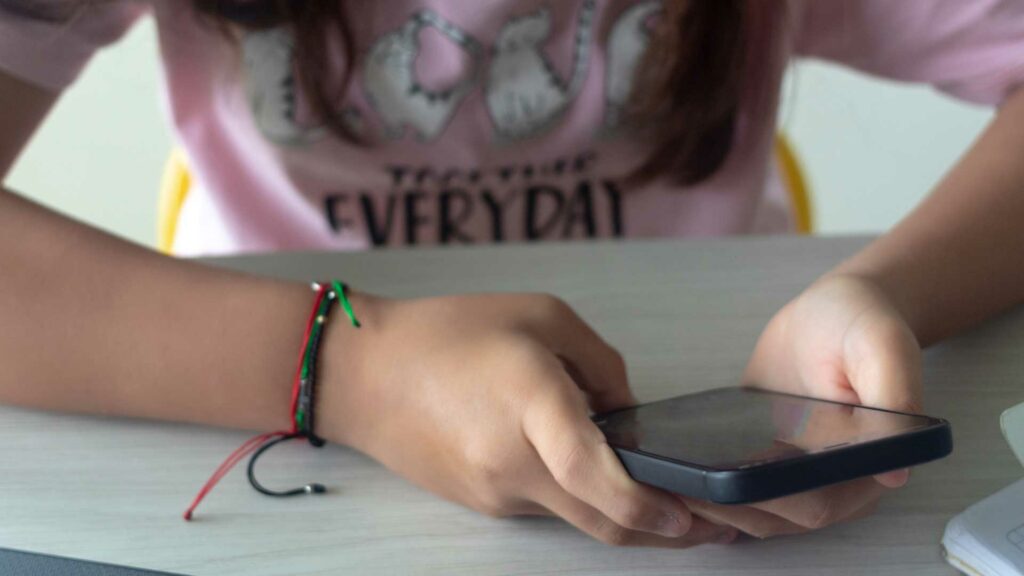
Research released in December seems to indicate a general decline in student performance around the world over the last decade and a half.
These findings were based on the PISA (Programme for International Student Assessment), a test administered to almost 700,000 15-year-old students in 2022. The PISA has been run every two years for decades now. One of the takeaways from the latest results was that in the 16 years from 2006 to 2022, worldwide scores for math, reading, and science dropped from 10 to 20 points. According to PISA, 20 points represents approximately a year’s worth of learning, so this amounted to between a half and a full year of learning lost in these three areas.
It’s hard to get the why from such statistics. Some of that was almost certainly due to COVID closures, with the sharpest declines in math and reading happening over the years 2020 to 2022. But as the author of one of the reports, Andreas Schleicher, noted, the trajectory was already downward beforehand. Schleicher pointed to “digital distractions” as a possible culprit.
“Students who reported being distracted by other students using digital devices in some, most or every maths class scored 15 points lower in PISA maths tests than those who barely experienced this.”
What can be done to improve scores? State schools are going to look to the government for the solution, and some have tried banning smartphone usage at school. The results have been mixed: good in some countries, and not as much in others, where students may simply be getting around the ban.
Christians can point to something that hasn’t been tried: instead of more government intervention, what if we had less? Children who are on screens 5-7 hours a day (or even more) need parents (not a Big Brother) to step up and fill the void, both educational and emotional, that these phones and screens are currently filling.