Transparent heart icon with white outline and + sign.

Life's busy, read it when you're ready!

Create a free account to save articles for later, keep track of past articles you’ve read, and receive exclusive access to all RP resources.

White magnifying glass.

Search thousands of RP articles

Helping you think, speak, and act in Christ.

Open envelope icon with @ symbol

Get Articles Delivered!

Helping you think, speak, and act in Christ. delivered direct to your Inbox!


Red heart icon with + sign.
Politics

Al Siebring: councillor & Christian

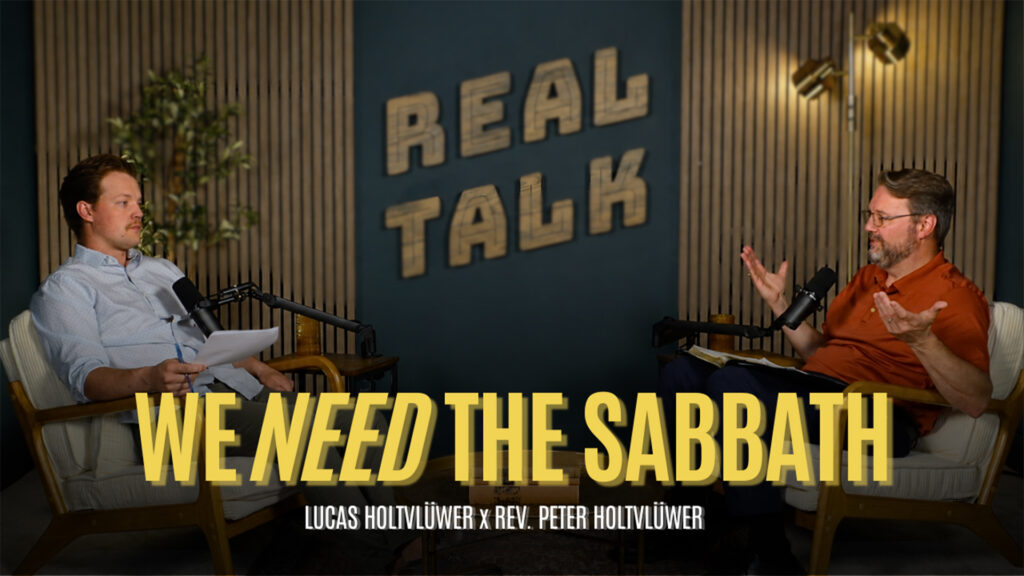
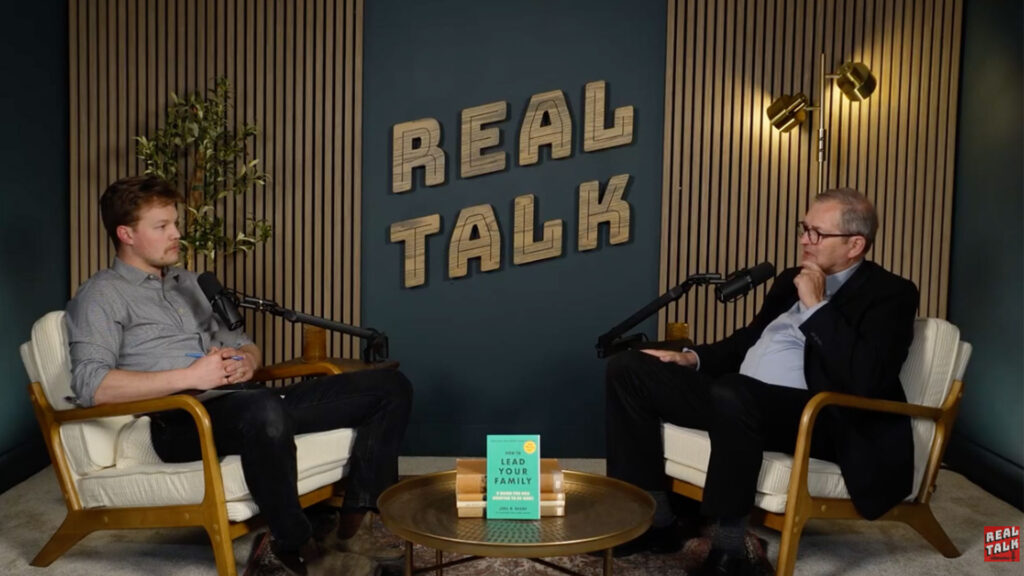
How one municipal politician brings God’s Word to bear on taxes, government budgets and private citizens’ property rights ***** This appeared in the March 2015 edition. What does a Christian perspective look like when it comes to the relationship between faith, taxation, and the role of government? It’s a big question, and one I’ve been thinking on for many years in my role as a municipal councillor in the District of North Cowichan. As with all things, we need to start this discussion with Scripture. Pay to Caesar… The fundamental Scriptural principle when it comes to taxes can be summed up in two words: “Pay them.” In Matthew 22, after referencing the “image” on a coin that was handed to him, Christ urged his followers to “render unto Caesar what is Caesar’s.” It’s also worth noting the broader context here, which includes the notion that, since we are made in God’s image, we are also to “render unto God what is God’s.” In other words, since the coin had Caesar’s image on it, it should be given back to him, and equally, since people have God’s image stamped on them, they should give themselves in service to Him. Put another way, Christ didn’t get too bent out of shape about paying taxes to Caesar, but instead reserved His criticism for those who refused to pay proper homage to His Father. But are all taxes fair? Are they all necessary and defensible? Of course not. Government, by its very nature, tends towards wastefulness, self-preservation, unwarranted bureaucracy, and empire-building. As someone who’s now spent two terms in elected office at the local government level, I can tell you that much of the problem goes to structures and presuppositions that are endemic to the way budgets are put together. Budgeting 101 In the municipality where I am an alderman, our budgeting process was recently explained to us by our City Manager like this: “We (municipal staff) look at the things Council has told us they want to accomplish in the upcoming year, and then we determine the tax implications based on what that’s going to cost.” This is the paradigm under which many (most?) municipal budgets are prepared. But it has serious tax implications, and I believe it to be fundamentally flawed. This certainly isn’t the way most people budget in their households. They don’t say: “This year, I want to go to Mexico, do a $30,000 renovation to my kitchen, and buy a new car. Now I just need to figure out where to get the money.” No. The common-sense way of budgeting – the way most responsible people run their lives and their households – is by saying: “What’s a reasonable expectation of my income this year?” Once they establish that, they say: “Now, what can I afford to do with that limited amount of money?” But there’s an understanding, right at the very outset, that the amount of money is limited. Not so with government. There’s a perception that the taxpayer has a bottomless pocket. And this can – and often does – lead to indefensible tax increases. Equally, there’s another side to the coin. The Federation of Canadian Municipalities did a study a few years ago to determine the ratio between municipal property taxes and taxes levied by other levels of government. The study found that, (excluding “transfers” of money from senior levels of government for infrastructure projects), municipal government across Canada collected just eight cents of every tax dollar handed over by Canadian taxpayers. With that eight percent of total taxes collected, local governments are expected to deal with responsibilities that include roads, water-supply systems, garbage collection, municipal sewer, recreation, policing/fire services and, in some jurisdictions, affordable housing, public health, and childcare. And that ratio has come down considerably in the last 50 years or so. It used to be in the range of 11 to 15 cents. To be clear, the decline in the ratio isn’t necessarily because municipalities have become that much more efficient at service delivery. Rather, it’s a testimony to the proportionately increasing tax burden imposed by other levels of government, combined with the fact that 50 years ago, most local governments were in the throes of a huge infrastructure boom. Back in the 50’s and 60’s, everyone was putting in new roads, bridges, and municipal water and sewer systems. Those systems are now starting to wear out, and some are in dire need of replacement, which doesn’t bode well for future tax pressures at the local government level. The $20-an-hour fry cook But there are also historic inefficiencies in local government – inefficiencies which will take considerable political courage to correct. Labour contracts are a prime example. There is no faster way to get a municipal politician running for the exits than to suggest that the fundamentals of their staff’s union contracts need to be re-examined. Most of these contracts go back to when local government workers first got the right to “organize” – they are built on economic presuppositions which were prevalent in the 1970’s when there was no end in sight to the boom years, and everyone instinctively understood that a “COLA” (Cost of Living Allowance) Clause was an insult to the intelligence and industriousness of the workers. In my jurisdiction, for example, this led to a situation where we had high school students coming in to work the concession stand at our local hockey arena. These kids were “on-call” – the minimum payment per their union contract was 4 hours, often for a shift which was considerably shorter than that. And, when all perks and benefits were considered, they were making close to $20 dollars an hour to flip burgers, a job that would be considered minimum wage in the private sector. It also created a situation where the “food services” division at that Recreation Centre was swimming in about $180,000 dollars of red ink every year. But, because it was government, no one thought it necessary to correct the situation…or, at least, not until I took over the chairmanship of the board that runs the facility. Not to blow my own horn, but I told the rest of the board members that as chair, I would happily face the TV cameras – with a picket line behind me – to explain the facts of life to the taxpayers should the issue lead to a strike. The union folded like a house of soggy cards, and that concession stand is now run by a private operator. All of which is to say that the matter of “taxation” can be complicated. My fundamental worry, though, is that many local government leaders are losing sight of their central responsibility to be “stewards” of the public purse. Instead, many of them make their tax-related decisions based on political agendas ranging the full gamut from extreme environmentalism to a rampant pro-development stance that cannot be sustained. Not to mention fear of retribution at the ballot box at the hands of those whose vested interests might be detrimentally affected by one decision or other. As an aside, this brings to mind a quote that Ronald Reagan was fond of using – a quote originally attributed variously to Alexander de Tocqueville and Scottish historian Alexander Tytler: A democracy cannot exist as a permanent form of government. It can only exist until the voters discover they can vote themselves largesse out of the public treasury. From that moment on the majority will always vote for the candidate promising the most benefits from the treasury, with the result that democracy always collapses over a loose fiscal policy. Property rights There are many other issues that could be discussed in the pursuit of a Christian perspective on (local) government. Let’s look at the one where civic politicians and staff expend most of their political capital and regulatory authority: land use. Our municipality regulates all new development through a policy it calls “smart growth.” The idea is to encourage what’s called “in-fill” – making sure the areas that already have residential, industrial, or retail development on them are fully built out before new areas are explored for development. On the surface, this makes sense. The infrastructure (roads, water, sewer services and the like), are already in place for those existing developments, and it certainly seems quite stewardly not to waste a bunch of money running these services into new areas when there’s still undeveloped potential in the existing “growth centres.” The problem, of course, is that this process necessarily involves drawing arbitrary lines on a map. And there are people with land just outside of these lines – sometimes literally across the street – who are ineligible to have their various expansion projects approved because of “smart growth.” And while the policy may seem to make sense at first blush, I believe it has the potential to violate a basic biblical principle; the notion of private property rights. (If you have trouble with those “rights” as a biblical concept, simply ask yourself how the 8th Commandment can forbid “stealing”? You can’t steal anything from anyone if they don’t have an inherent right to own it in the first place.) If we truly believe in property rights, landowners should have considerable freedom to do what they want with their property, as long as that freedom isn’t paid for through the general tax bills. For example, we might be justified in charging a special development fee to hook into the sewer and water lines because a particular address is outside the proscribed growth boundaries. But to live and die by a policy against any development whatsoever on this land restricts the landowners’ freedom to enjoy (and profit from) his property, and minimizes his ability to exercise “dominion” over that land (Gen 1:28). So I would argue that if someone wants water or sewer services for a project that’s five, or six, or even twenty miles outside of the “growth boundaries,” they should have the option of tapping into that infrastructure…at their cost. Practically, of course, that cost would be so prohibitive as to make the development completely untenable, but the principle should stand on its own. This issue provides an example of how governments should base their decision-making on commonly accepted (and Biblical) principles, rather than on a well-intentioned but arbitrary set of “rules” that are totally intransigent and often defy common sense. Conclusion We are often critical of our governments at all their levels, and we do have some reasons to be. But we should also consider what Romans 13 tells us about how we should respond to government, where it says: …rulers are not a terror to good conduct, but to bad. Would you have no fear of the one who is in authority? Then do what is good, and you will receive his approval, for he is God's servant for your good.” That principle, combined with repeated Scriptural injunctions to pray for leaders (I Tim. 2:1) and for the “peace of the city” (Jer. 29:7), should guide our actions as citizens, and our relationship with governments at all levels. This is from the March 2015 issue, when Al Siebring had just been re-elected to a third term as Councillor in the District of North Cowichan, BC (pop. 30,000). That was followed up by a stint as mayor, after which he moved to Southern Alberta for a very different job: grandpa. Then, in the beginning of May, 2023, he had a chat with Real Talk's Lucas Holtvlüwer, which you can watch below. You can also find this episode on your favorite podcasting platforms by clicking here. ...

Red heart icon with + sign.
News, Pro-life - Fostering

Reformed communities stepping up to provide “Safe Families”

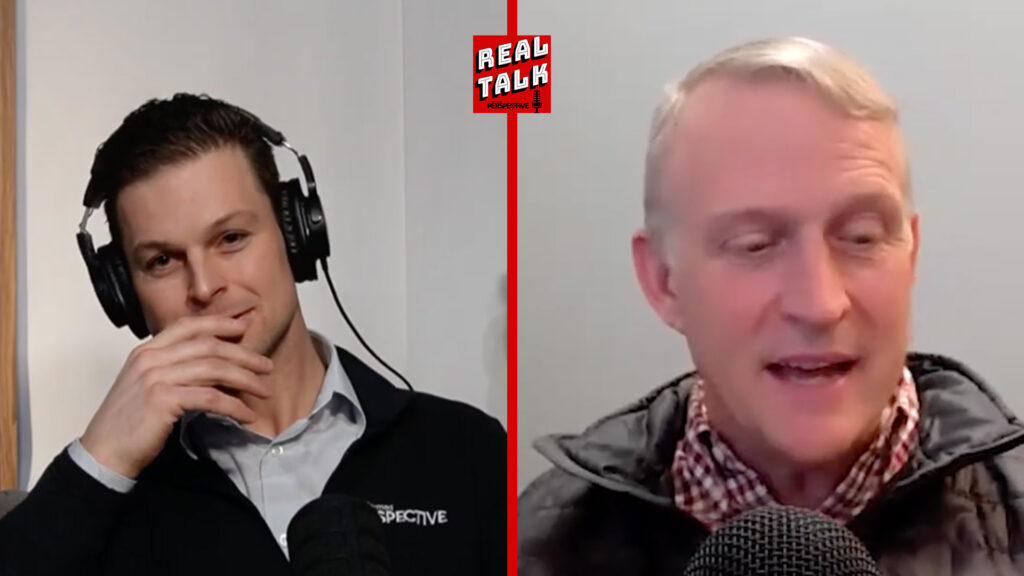
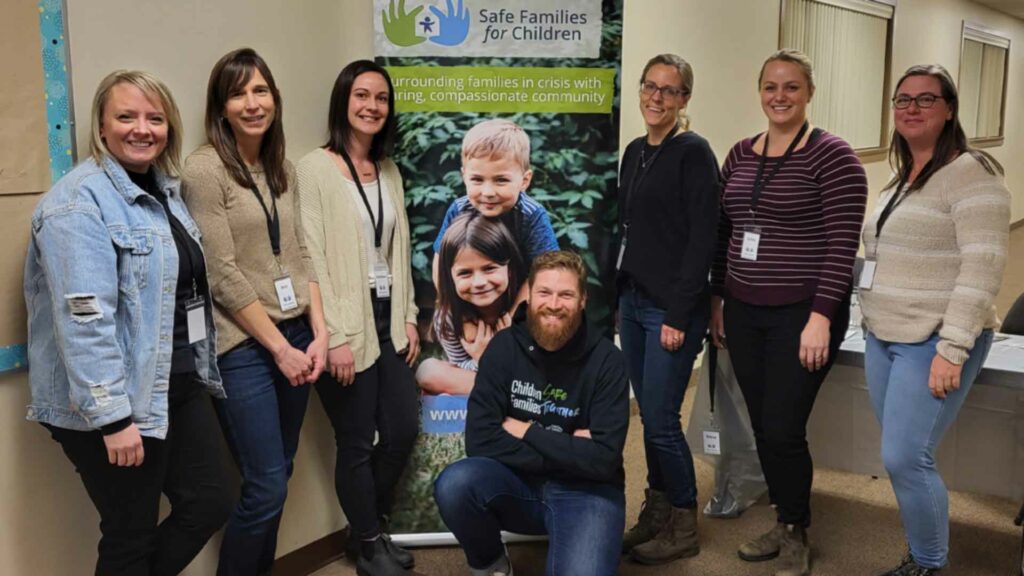
It takes some courage to get into the public to show love for our neighbors, with a meal for an elderly person, taking part in a Life Chain, or helping at the local soup kitchen. Some may even take their children so they are exposed. But how would we feel about welcoming the public into our own homes to live with us temporarily? A different sort of fostering It was at a legal seminar in London, Ontario, about ten years ago, that I first heard of a movement called “safe families.” Jennifer Francis, a young woman at that seminar, was intent on launching the organization, modeled after Safe Families for Children in the USA. Not only has it taken off in Canada, members of the Reformed church community are helping it expand to new areas. Safe Families exists to keep children safe and families together. As they describe on their website, they “temporarily host children and provide a network of support to families in crisis while they get back on their feet.” What sets them apart is that they do this outside of the government system. Yet their effectiveness has made them a go-to place for child welfare agencies, who regularly refer families to them, encouraging these families to make use of their care so that they don’t get into a crisis mode where the government needs to intervene. “Instead of waiting for bad things to happen to children, we can step in to help,” they explain. “By design, child welfare systems are designed to react after something bad happens to a child. Such interventions can be necessary in cases of abuse and neglect, but we can help before bad things occur.” In the 20 years of their existence, the Safe Families movement has provided over 35,000 hostings, utilizing 25,000 volunteers and 4,500 churches, most of those in the US, UK, or Canada, with 93 percent of the children returning home. The concept immediately struck a chord in my heart, as it provides an opportunity for Christ’s church to open our arms to vulnerable families and children in a way that is both practical and simple. Having witnessed the enormous sacrifice, and occasional heartache, of families who served within the government system as foster families, this appeared to be an option that would be far more doable for ordinary families. God blessed that young woman’s vision and Safe Families was incorporated as a Canadian non-profit in 2012. Francis has since been faithfully leading the organization, first as the Executive Director, and now as the interim chair of the board. Safe Families started ministering to families in the Greater Toronto Area but has now spread to many cities across Canada. Reformed folk seizing the opportunity to serve When I was first introduced to the concept, I couldn’t help but consider the potential for the Reformed community in Canada to get on board, as we are blessed with so many solid families who would be able to provide temporary care to children in need, outside the foster system. Sure enough, quietly and humbly, some in the Reformed community have been getting involved with the new chapters that have been formed. Most recently, a chapter is being formed in BC’s Lower Mainland. I reached out to Jessica Wildeboer, who is chairing the steering committee to form this new chapter and is a member of the Langley Canadian Reformed Church. I asked her what sparked the idea of bringing a chapter to the Fraser Valley. She explained that she heard about the organization from her sister, who attended an information session in Edmonton, but she didn’t give it much thought until a friend sent her a link to the Real Talk podcast episode, where Lucas Holtvluwer and Tyler Vanderwoude sat down with Hildy Sloots from Safe Families last year. “I rarely listen to podcasts at all, but somehow (God's work) I found myself washing dishes while listening to it. I was hooked. I loved all that I heard” shared Wildeboer. And she didn’t stop there. “I knew this needed to happen here in the Lower Mainland. I sent an email to Safe Families and asked about a BC chapter. They replied saying that a Zoom meeting was coming up and I was welcome to join. This was in September. By November we had a steering committee established with nine Christians, from Vancouver to Chilliwack, and we started planning steps forward.” Different ways to help In February of this year, Jason Peters, the Western Canada Director of Safe Families, led three information sessions in the Fraser Valley. They were thrilled to have about 230 people come out, representing 25 different churches. Three members of the steering committee shared with the audiences why they believed Safe Families was needed and important. “As chair, I shared my own experience of seeing my church rally around my family in times of crisis” Wildeboer explained. RCMP officer Steve Vandelft, and social worker Kathleen Vanderveen, also shared how in their work experience they would often see families who needed extra support. Wildeboer explained that “We put out sign-up papers asking for people to express what areas they might be interested in helping with in the future. Different areas include being a resources friend (organize meals, pick up groceries, help with a reno), family friend (do some babysitting, offer encouragement), family coach (overseeing the volunteers surrounding the family in crisis), and host family (hosting children overnight in your home for short periods of time, sometimes weeks).” The response was incredible. “After the three info sessions, we had so many people check so many boxes with wanting to help, and we even had 18 families sign up wanting to become a host family! Amazing!” A Christian witness What also sets Safe Families apart is their faith-based approach, “motivated by the compassion and grace that they first received from Jesus Christ.” And the beautiful thing is that instead of this closing doors to working with the child welfare system, they form a bridge between families who are in need and the Christian community. “When a family in church is in crisis, meals are brought, babysitting is arranged, rides are organized, whatever is needed is provided,” shared Wildeboer. “But how do people without a church community survive when a crisis hits? Our churches seem rich with resources such as stable homes. How can we bless our community with our resources?” She also liked that the service is local and hands-on. “I think there is also something precious and vital about being more intentional within our own communities. I like my kids to help with babysitting. I like my kids to help with making a meal and dropping it off. I like my kids to write cards to neighbours and hand-deliver them. Sometimes we can be too busy in our own safe comfortable bubble with people we know, but we could improve with meeting new people and warmly welcoming all those we meet. It is good to get uncomfortable, that's what Jesus did.” To learn more about Safe Families and find the locations of their chapters, go to SafeFamiliesCanada.com. You can also listen to or watch the Real Talk interview below that first inspired Jessica Wildeboer (you can also find it at RealTalkPodcast.ca). Pictured at the top: Six of the nine steering committee members, along with the Western Canada Director for Safe Families Jason Peters. Jessica Wildeboer is second from the left. ...

Red heart icon with + sign.
Science - Environment

How should Christians view climate change?

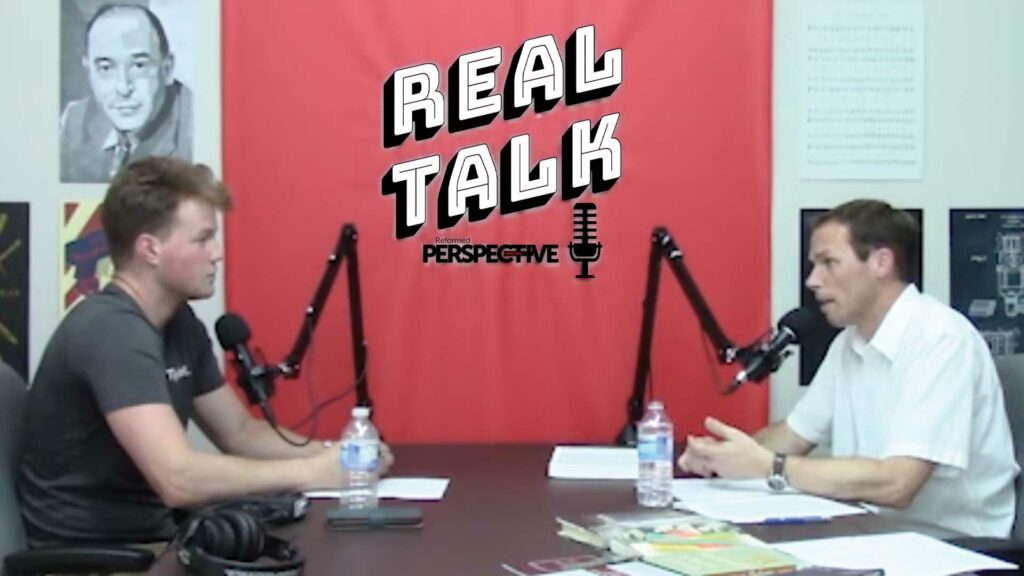
Chatting with the Cornwall Alliance’s Dr. Calvin Beisner This is an overview of a recent episode of Lucas Holvlüwer and Tyler Vanderwoudes’ Real Talk podcast. Real Talk is a bi-weekly podcast of Reformed Perspective featuring great conversations on everything from propaganda to pornography, and if you haven’t checked it out already, you really should. And you really can, at www.RealTalkPodcast.ca. **** Is climate change real, and if so, how should Christians think about it? How should we take care of God’s creation in a way that still allows us to use its resources for the good of the crown of creation, mankind? Lucas Holtlüwer recently sat down with Dr. Calvin Beisner, founder and national spokesman for the Cornwall Alliance for the Stewardship of Creation (CornwallAlliance.org), to talk about these and other issues. Dr. Beisner summarized the Cornwall Alliance’s work in a memorable tagline: “Our work is to defend the planet from the people who are trying to defend the planet.” More formally, it is a network of about 70 Christian theologians, natural scientists, economists, and other scholars educating for Biblical earth stewardship, economic development for the poor, and the proclamation and defense of the good news of salvation by God’s grace. The climate is always changing Beisner started with a summary of how the earth’s climate is constantly changing: daily of course, with high and low temperatures, seasonally each year, and also in decades-long cycles driven by different ocean tides and oscillations. Geologists are certain the earth was significantly warmer than today for a few thousand years prior to Christ’s birth, as well as during periods of the Roman empire, and of the Middle Ages. During multiple cooling periods over the last 2,000 years, glaciers have covered much of the world in ice before receding again over centuries. “We’re in an ice age now, although most people don’t realize it, and that’s because Greenland is covered by ice for the most part, and Antarctica is covered also…. All of these happened entirely naturally: there were no SUVs running around burning diesel, and so the human influence had essentially nothing to do with those.” Beisner points to the United Nations Framework Convention on Climate Change in 1992 as one of the first times that the phrase was re-defined to mean changes driven primarily by human activity, especially the emission of carbon dioxide into the atmosphere. Change, but not catastrophic He believes that mankind’s activities do contribute to climate change, but to a very small degree, and that modern technology has an enormous net economic and life-sustaining benefit to human beings that is worth the relatively small effect on the climate. Beisner made the case that the alarmist language and dire predictions of today’s environmentalists do not come from actual scientific climate studies, with their measured tones and scientific language. Rather, these reports are summarized by government bureaucratic appointees, and they tend to push more alarmist mentalities than the reports themselves. “Crisis, danger, catastrophe, existential threat; by environmentalist activist organizations, and by the mainstream media, and by politicians because that’s the kind of language that can get people on board for spending trillions of dollars to solve a problem, whereas, if you speak in very measured moderate scientific terms, you won’t get that kind of support.” Warring worldviews Holtvlüwer asked if Christians in general were less worried about climate change because of the worldview of those who were sounding the alarm. Beisner agreed that non-Christian views such as pantheism, materialism, and animism are prevalent in the environmentalist movement, and contribute to the dangerous error warned about in Romans 1. “When you deny the Creator, you begin to worship the creature instead of the Creator… You elevate the earth to the supreme concern… Paul tells us what happens when you do that. God gives you over to a reprobate mind, professing yourself to be wise you become a fool, and you fall into all kinds of different errors, both intellectual and moral… I think that’s a large part of why… there is a great deal of really shocking folly in much environmental thought.” Seeing babies as blessings From a Biblical perspective, we are called to “fill the earth and subdue it” (Genesis 1:28). “Rather than seeing the earth as delicate, but nurturing, we see it as robust: very tough, very resilient, self correcting. But, dangerous, unless subdued, unless mastered, and that means that instead of trying to minimize our impact on the world, we don’t maximize it, but we optimize it… to enhance the fruitfulness and the beauty and the safety of the earth for human well-being as well as for the glory of God.” Dr. Beisner pointed out that human deaths from natural catastrophes have actually dropped 95% in the last one hundred years – during the exact period that mankind’s impact on the climate is the greatest it has ever been. Why is this? Man’s prosperity and technological advances have allowed us to build safer homes and businesses, to heat and cool our dwellings, and to travel long distances in relative safety. So, rather than decry the slight impact we have had on the planet’s climate, we should encourage the development of greater wealth, of even safer structures, and of other means by which humans can live long and productive lives. The current rate of warming, stated Beisner, is much lower than